



If you’ve been trying to conceive for a while, you might already be familiar with the basics, tracking ovulation, maintaining a healthy lifestyle, and timing things just right. But sometimes, despite doing everything “correctly,” pregnancy still doesn’t happen. That’s when the journey can start to feel frustrating and confusing.
The truth is, many causes of female infertility aren’t immediately visible or picked up in standard tests. Hormonal imbalances, subtle anatomical issues, or genetic factors can quietly interfere with conception without showing obvious symptoms. In this article, we’ll explore some of these lesser-known causes and the advanced diagnostic tools that can help uncover them, giving you a clearer path forward.
Understanding Female Infertility Beyond the Basic
Most people associate female infertility with irregular periods, advanced age, or hormone issues like PCOS. But in many cases, the reasons behind infertility are harder to spot.
Roughly 15 percent of women with infertility are told they have “unexplained infertility.” This diagnosis often means that standard tests didn’t reveal anything unusual. However, that doesn’t mean nothing is wrong. It simply means more advanced or specialized testing may be needed.
Here’s why this matters:
- A woman over 35 may have declining egg quality that won’t show up in basic hormone panels.
- A uterine lining issue could be missed by standard ultrasound.
- Subtle imbalances in hormones like prolactin or thyroid levels might not be flagged unless you’re looking for them.
Commonly Missed Causes of Infertility in Women
Sometimes, infertility isn’t caused by anything obvious. Even if your cycle seems regular and your basic tests look fine, there could still be underlying issues that are harder to spot. These are some of the common hidden causes that may be affecting your chances of getting pregnant.
Hormone Imbalances That Don’t Show Up on Basic Test
You might assume your hormones are fine if your bloodwork looks normal, but some important issues can go unnoticed:
- Mild thyroid issues: If your thyroid hormone is just slightly off, it can still make it harder to ovulate or stay pregnant.
- Short luteal phase: This is the second half of your cycle, after ovulation. If it’s too short, your body may not produce enough progesterone, which helps the embryo implant in the uterus.
- Slightly high prolactin levels: Prolactin is the hormone that helps with breast milk production, but even slightly high levels can interfere with ovulation.
- Chronic stress: Long-term stress can affect your adrenal glands, which play a role in hormone balance. This may lead to irregular cycles or prevent ovulation altogether.

Physical or Structural Issues Inside the Body
Even if you don’t feel pain or have symptoms, something in your reproductive system may be getting in the way:
- Small growths like fibroids or polyps inside the uterus can make it harder for an embryo to attach and grow.
- Blocked fallopian tubes from past infections or surgeries can stop the egg and sperm from meeting.
- Mild endometriosis, a condition where tissue similar to the lining of the uterus grows elsewhere, can affect fertility even if you don’t have pain.
Genetic Factors That May Affect Fertility
Genetics can also play a role, even if you feel completely healthy:
- Some people have balanced chromosomal changes that don’t affect their day-to-day health but can lead to miscarriages or failed embryo implantation.
- Premature ovarian insufficiency (POI) happens when the ovaries stop working properly before age 40. This can be due to certain genes and often leads to fewer eggs.
- Other inherited traits can affect how eggs develop or how your body responds to hormones.
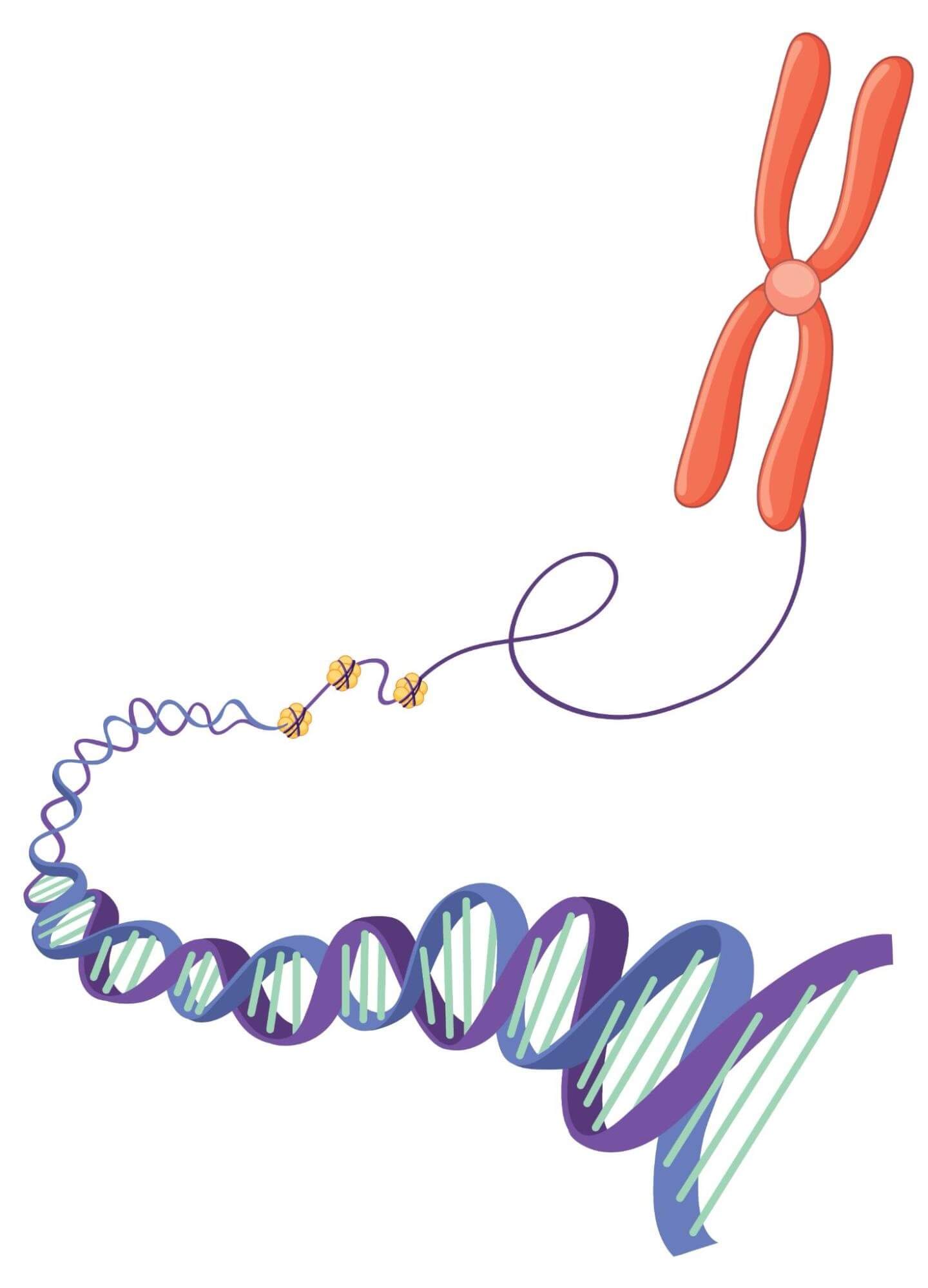
If you’ve had multiple failed IVF cycles or miscarriages, genetic testing may help provide clearer answers.
When to Consider Advanced Testing
Not everyone needs advanced fertility testing right away. But in certain situations, it can make a big difference, especially if you’ve already spent months trying to conceive without success.
Signs It Might Be Time
Here are some signs it may be worth looking deeper:
- You’ve been trying for over 6 months and are over age 35.
- You’ve had one or more early miscarriages or positive pregnancy tests that didn’t continue.
- Fertility treatments like IUI or IVF haven’t worked, even when everything seemed “normal.”
- Your cycles are regular, but pregnancy still isn’t happening.
- Your partner has completed testing, and results came back clear.
What You Might Gain
Advanced testing can:
- Identify correctable issues like a thin uterine lining, mild hormone imbalance, or tubal blockage.
- Help avoid repeated failed cycles by improving embryo transfer timing or selecting the right treatment plan.
- Reduce emotional strain by giving you a clearer explanation for why things haven’t worked yet.
If you’re unsure whether to move forward with more testing, it can help to speak with a clinic that offers both emotional and medical support.

Uncovering these less obvious causes is where more thorough evaluation can make a real difference. If you’re exploring treatment options like IVF or have experienced unexplained delays in conceiving, it’s worth looking beyond surface-level tests. With the right testing, even unexplained fertility struggles can start to make sense. At Lifespan Birth, our team uses an evidence-based, whole-person approach to help uncover what others may miss