


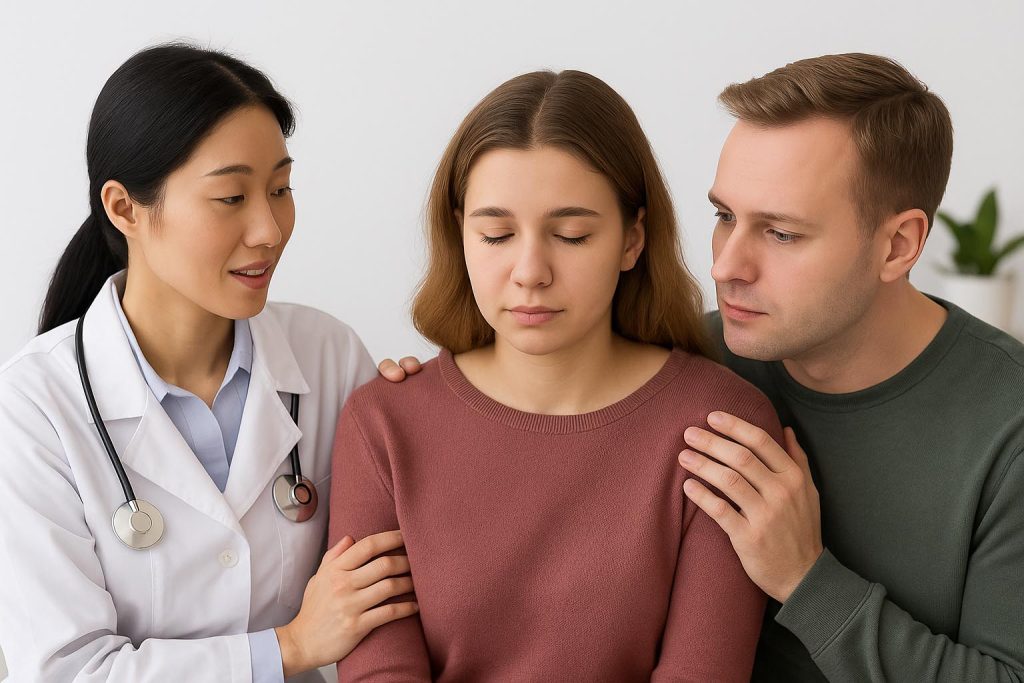
If you’ve been trying to conceive and are starting to wonder why it’s taking longer than expected, you’re not alone. Many people experience difficulties with fertility, and one possible, but often overlooked, cause is endometriosis. This condition affects roughly 1 in 10 women during their reproductive years, yet it’s frequently misunderstood and can go undiagnosed for years. For those navigating the emotional and physical toll of infertility, understanding endometriosis could be an important step toward finding answers.
In this article, we’ll explore what endometriosis is, how it can impact fertility, and the treatment options available. Whether you’ve recently been diagnosed or are just starting to suspect something might be wrong, this guide offers clear, compassionate information to help you take control of your reproductive health and plan your next steps with confidence.
What Is Endometriosis?
Endometriosis is a condition where tissue similar to the lining of the uterus, called the endometrium, grows outside the womb. This tissue doesn’t shed like a normal period; instead, it can become trapped, leading to inflammation, scar tissue, and pain. Common areas affected include the ovaries, fallopian tubes, and the lining of the pelvis. In some cases, endometrial-like tissue has even been found on the bladder, bowel, or beyond.
Common Symptoms to Watch For
Endometriosis symptoms can vary widely, but many experience:
- Painful periods that interfere with daily life
- Discomfort during or after sex
- Heavy or irregular bleeding
- Digestive issues like bloating, constipation, or nausea
- Chronic pelvic pain or fatigue
- Difficulty getting pregnant
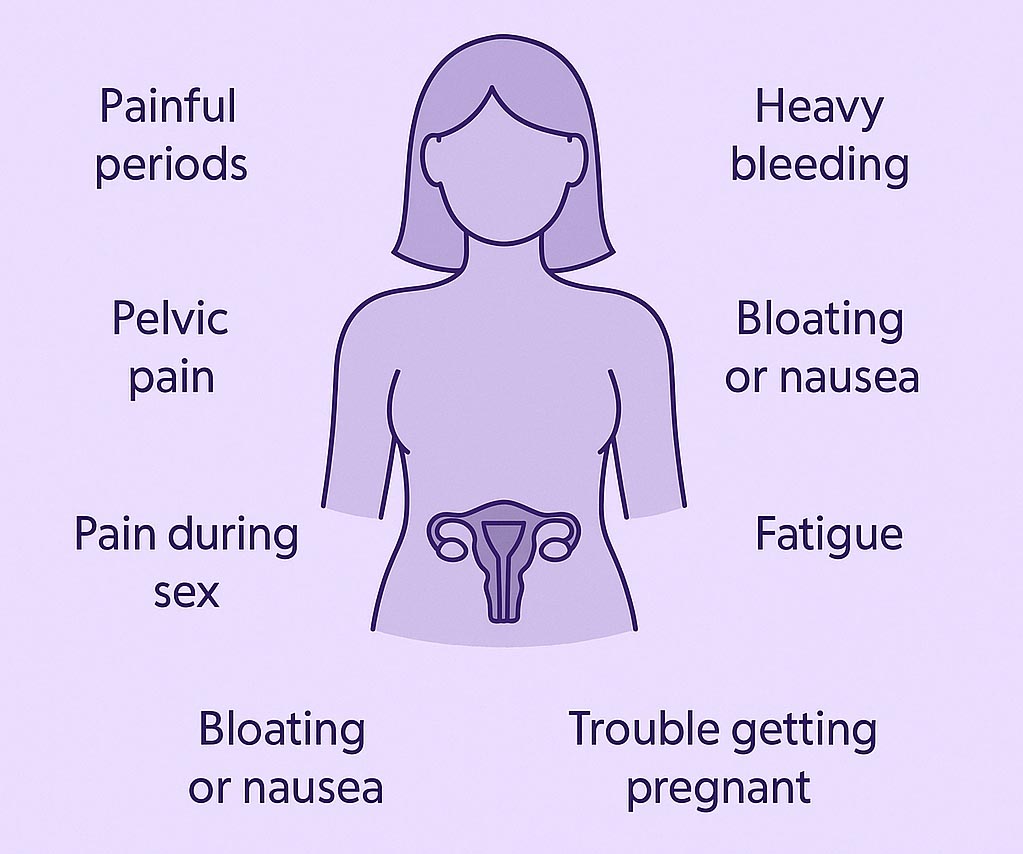
Because these symptoms often overlap with other conditions, it’s not uncommon for people to go years without a proper diagnosis.
How It’s Diagnosed
Endometriosis can’t be confirmed with a blood test or a regular pelvic exam alone. Diagnosis typically involves:
- Medical history review – discussing symptoms in detail
- Imaging tests – such as ultrasound or MRI, though these may not show smaller lesions
- Laparoscopy – a minimally invasive surgery that allows doctors to see and sometimes remove the tissue for testing; this is considered the gold standard for diagnosis
If you’re experiencing ongoing pain or have concerns about fertility, speaking to one of our specialists at Lifespan Birth can help determine whether endometriosis might be a factor.
How Endometriosis Affects Fertility
Physical Barriers to Conception
Endometriosis can create physical obstacles that make it harder to conceive. For example, scar tissue (also called adhesions) may form between reproductive organs, disrupting their normal movement. In more severe cases, these adhesions can block the fallopian tubes entirely, preventing sperm from reaching the egg. Ovarian cysts known as endometriomas can also develop, potentially affecting the quality of eggs released during ovulation.
Hormonal Disruptions
Beyond physical changes, endometriosis may interfere with the body’s hormonal balance. The condition is linked to inflammation and altered hormone responses, which can disrupt ovulation or make the uterus less receptive to a fertilized egg. These subtle effects may not always show up in basic fertility tests but can still impact the chances of pregnancy.
Not Everyone With Endometriosis Is Infertile
It’s important to remember that not all people with endometriosis struggle to conceive. Some get pregnant naturally, especially those with mild to moderate cases. Others may need support through fertility treatments. The extent to which fertility is affected often depends on the location and severity of the endometrial growths, as well as individual health factors.
Treatment Options for Endometriosis and Fertility
Pain Management and Hormonal Therapy
For those not actively trying to conceive, hormonal treatments can help manage symptoms. Birth control pills, progestins, and GnRH agonists are commonly prescribed to reduce inflammation and slow endometrial growth. While effective for pain relief, these treatments typically prevent ovulation and aren’t recommended when pregnancy is the goal.
Surgical Treatment
Laparoscopic surgery is often used to diagnose and treat endometriosis at the same time. Surgeons can remove or destroy endometrial lesions and scar tissue, which may improve fertility, especially in moderate to severe cases. Many patients report reduced pain and improved reproductive outcomes after surgery, though results can vary.
Fertility-Focused Treatments
When endometriosis affects fertility, reproductive technologies can offer hope:
- IUI (Intrauterine Insemination): May be suitable for mild cases where fallopian tubes are still open.
- IVF (In Vitro Fertilization): Often the most effective option, especially when surgery hasn’t worked or there are multiple fertility challenges.
- Egg Freezing: A proactive step for those not ready to conceive now but want to preserve their fertility for the future.
Lifestyle and Complementary Approaches
While not a replacement for medical treatment, some people find symptom relief through lifestyle changes:
- Anti-inflammatory diets rich in whole foods and omega-3s
- Low-impact exercises like yoga or swimming
- Acupuncture or pelvic floor physical therapy for pain management

These approaches can be part of a broader wellness plan, helping patients feel more in control of their health.
When to Speak to a Fertility Specialist About Endometriosis
If you’re experiencing painful periods, ongoing pelvic discomfort, or pain during intercourse, especially if it’s paired with trouble conceiving, it’s worth talking to a specialist. These symptoms could point to endometriosis, even if previous exams or ultrasounds seemed normal. Remember, this condition often goes undiagnosed for years, so listening to your body matters.
Early Intervention Matters
Getting a fertility evaluation early can make a big difference. If endometriosis is suspected, a specialist can help confirm the diagnosis and create a personalized treatment plan. The sooner this happens, the more options you may have, especially if preserving fertility is a priority. Many people feel empowered once they understand what’s going on and can take the next step with support and clarity.
If you suspect endometriosis may be playing a role in your fertility journey, the best next step is to consult with a specialist who can guide you with both expertise and compassion. At Lifespan Birth, we’re here to help you navigate each step with thoughtful care, whether you’re looking to manage symptoms, preserve your fertility, or start a family.