



There is no fixed number of IVF cycles that works for everyone. Some people become pregnant after one IVF cycle, while others may need two, three or more attempts before treatment leads to pregnancy.
When asking how many IVF cycles to get pregnant, it also helps to understand what a “cycle” means. In some cases, it may refer to one egg retrieval. In others, it may mean one embryo transfer, or a treatment plan that includes fresh and frozen embryo transfers after the same egg retrieval.
The number of attempts needed can depend on many factors, including age, egg quality, sperm health, embryo development, uterine factors and the reason for infertility. Needing more than one attempt does not automatically mean IVF treatment is failing. Each cycle can give doctors useful information to help guide the next step.
How Many IVF Cycles to Get Pregnant?
- Many patients need more than one IVF cycle or embryo transfer to become pregnant.
- IVF success rates may be discussed per cycle, per embryo transfer or cumulatively over several attempts.
- Age is one of the strongest factors affecting how many IVF attempts may be needed.
- A failed cycle can still provide useful information about egg response, sperm quality, embryo development and implantation.
- Frozen embryos may allow another transfer without repeating ovarian stimulation and egg retrieval.
- A doctor can give a more useful estimate after reviewing test results, diagnosis and previous cycle details.
What Counts as One IVF Cycle?
A full IVF cycle often includes several steps: ovarian stimulation to help the ovaries produce eggs, egg retrieval, fertilization in the lab, embryo culture and embryo transfer. The NHS overview of IVF gives a simple explanation of these main stages.
However, the word “cycle” is not always used in the same way. Some patients have one egg retrieval and create more than one embryo. If extra suitable embryos are frozen, they may be used later in a frozen embryo transfer. This may be counted as a separate transfer attempt, but it may not be the same as starting a new full IVF cycle with stimulation and egg retrieval again.
Learn more about how our clinic defines the IVF process when discussing results.
How Many IVF Cycles Do Most People Need?
There is no universal number of IVF cycles that applies to every patient. Some people become pregnant after one cycle, while many others need more than one attempt before treatment leads to pregnancy.
A more helpful way to think about IVF is as a process rather than a single yes-or-no event. One cycle may show how the ovaries respond to medication, how many eggs are collected, whether fertilization happens as expected and how embryos develop. If a transfer does not lead to pregnancy, that information may still help guide the next step.
Age, egg quality, sperm health, embryo development, uterine health and the reason for infertility can all affect the number of attempts that may be needed.
Why IVF May Take More Than One Attempt
Not Every Egg Becomes a Usable Embryo
In IVF, not every egg collected will be mature enough to use. Of the mature eggs, not all will fertilize, and not every fertilized egg will continue developing into an embryo suitable for transfer. This can happen even when the cycle has been carefully planned. In some cases, ICSI may be discussed to help with fertilization, especially when sperm factors are involved.

Implantation Is Not Fully Predictable
Even a strong-looking embryo may not implant. The uterine lining, embryo genetics, transfer timing and other individual factors can all play a role. Genetic testing may give doctors more information about an embryo, but it cannot guarantee pregnancy. This is one reason why some IVF cycles fail even with healthy embryos.
The Main Factors That Affect How Many IVF Attempts You May Need
Age and Egg Quality
Age often affects IVF outcomes because egg quality tends to decline over time. This can influence how embryos develop, whether implantation occurs and the risk of miscarriage. However, age is not the only factor. Patients in the same age group can still have very different results depending on ovarian reserve, sperm health, embryo quality and other medical details. HFEA IVF statistics can help explain how outcomes are often reported by age group, but they cannot predict one person’s exact chance. Our specialists can also explain how age affects IVF success rates in the context of your own results.
Ovarian Response
Some patients produce several eggs during ovarian stimulation, while others produce fewer. A lower egg number does not mean pregnancy is impossible, but it may reduce the number of embryos available for transfer or freezing. After reviewing how the ovaries responded, our care team may adjust medication type, dose or timing in a later cycle.
Sperm Health
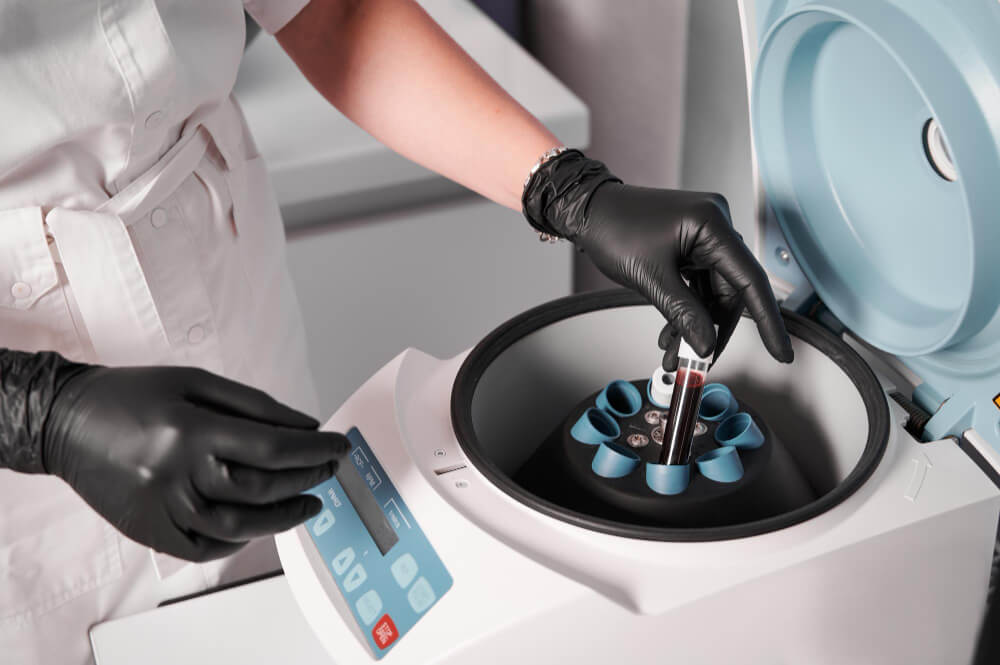
Sperm count, movement, shape and DNA quality may affect fertilization and embryo development. This is why male fertility testing should be part of IVF planning, not an afterthought. A semen analysis can give doctors useful information before deciding whether standard IVF, ICSI or other adjustments may be helpful.
Embryo Quality and Genetic Factors
Embryos may look good under the microscope but still have chromosome issues that affect implantation or pregnancy development. In selected cases, PGT-A or NGS genetic screening may help our team choose embryos with better potential.
Uterine and Transfer Factors
The uterine lining, transfer timing and embryo transfer technique can influence implantation. Some patients may benefit from adjusting the timing of transfer or considering a frozen embryo transfer plan, depending on their medical review.
Planning Your Next Step With Clear Expectations
IVF is often a process. One cycle may bring a pregnancy, but it may also provide important information about egg response, fertilization, embryo development and transfer planning.

If a cycle is unsuccessful, the next step should be based on a careful review, not pressure or panic. What happened in the previous cycle can help your doctor decide whether to adjust the plan, try another transfer or discuss other options.
A personalized review with our fertility specialists can help you understand what is realistic for your situation. At Lifespan Birth, patients can take the next step with clearer expectations, practical guidance and a treatment plan shaped around their individual results.