IVF Process
In Vitro Fertilization (IVF) is one of the most recognized fertility treatments worldwide. It typically involves stimulating the ovaries, retrieving eggs, fertilizing them in the lab, and transferring embryos into the uterus.
At Lifespan Birth, we do not recommend IVF. Instead, we recommend ICSI (Intracytoplasmic Sperm Injection), which is an advanced version of IVF where a single healthy sperm is injected directly into each egg. The steps are very similar to IVF, but ICSI provides more precision and often higher success rates, especially for patients with male factor infertility or those who have not achieved results with other treatments.
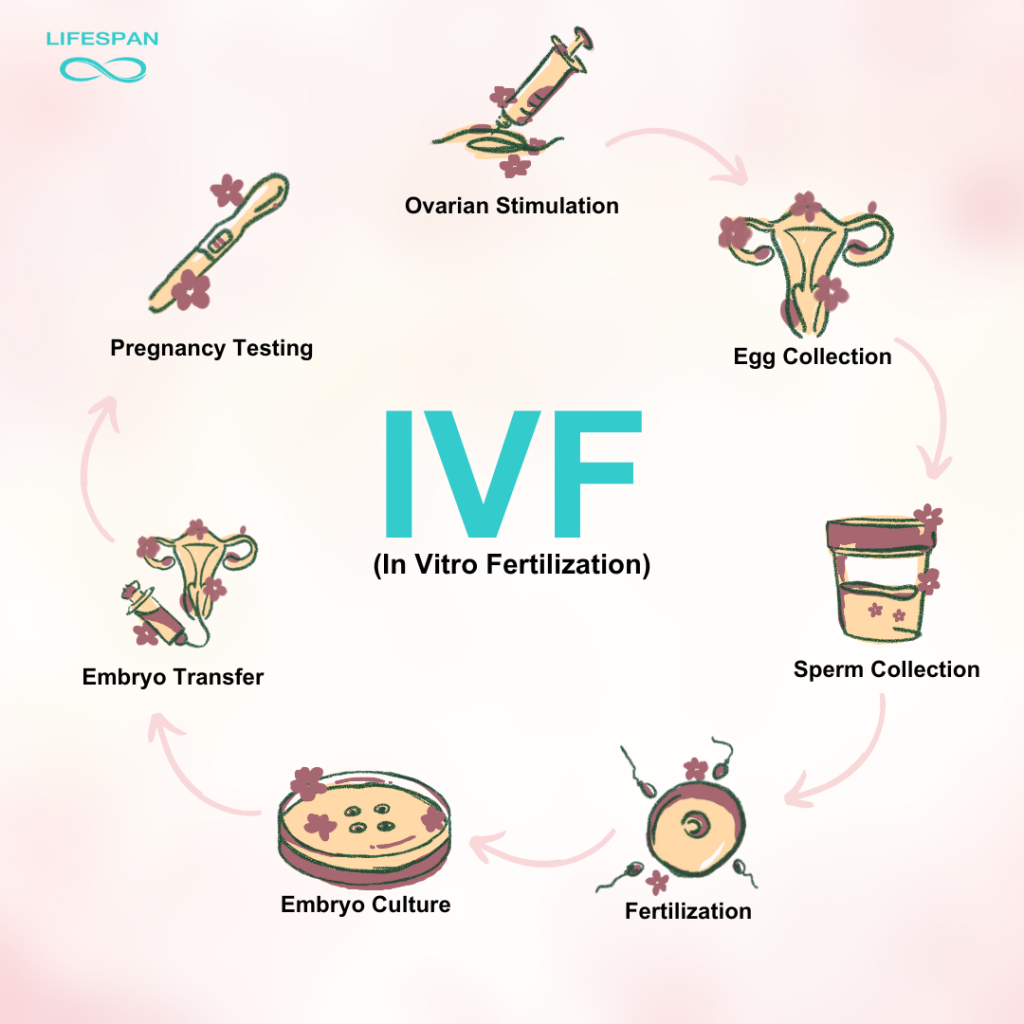
Step-by-Step IVF Process
A typical IVF cycle takes around 3 weeks, including stimulation, retrieval, fertilization. Below is an overview of the key stages. The same timeline applies for ICSI:

- The woman takes fertility medications to stimulate the development of multiple ovarian follicles, each containing an egg.
- Ultrasound and blood tests are used to monitor follicle growth and hormone levels.
- When the follicles reach the appropriate size, a minor surgical procedure called transvaginal ultrasound-guided oocyte retrieval (TVOR) or follicular aspiration is performed.
- A thin needle is inserted through the vaginal wall into each follicle to aspirate the fluid and retrieve the eggs.
- On the day of egg collection, the male partner provides a semen sample, which is processed in the lab to isolate motile and morphologically normal sperm.
- In the lab, the retrieved eggs and prepared sperm are combined in a culture dish through a process called insemination or intracytoplasmic sperm injection (ICSI).
- In standard insemination, sperm are added to the dish containing the eggs, allowing natural fertilization.
- In ICSI, a single sperm is injected directly into each mature egg, often used in cases of severe male factor infertility or previous IVF failure.
- Fertilized eggs, now called embryos, are cultured in a special incubator under controlled conditions for several days (typically 3 to 5 days).
- Embryo development and quality are closely monitored to select the healthiest embryos for transfer.
- One or more selected embryos are transferred into the woman’s uterus using a thin catheter inserted through the cervix.
- The number of embryos transferred depends on factors such as the woman’s age, embryo quality, and previous IVF outcomes to maximize pregnancy chances while minimizing the risk of multiple pregnancies.
- Preimplantation Genetic Testing for Aneuploidies (PGT-A) is used in ART to analyze embryos for chromosomal abnormalities before implantation. This test helps identify embryos with the correct number of chromosomes (euploid) and avoid those with an abnormal number (aneuploid), which can lead to failed implantation, miscarriage, or genetic disorders.
- Approximately 10 to 14 days after embryo transfer, a blood or urine test is performed to detect human chorionic gonadotropin (hCG), a hormone produced by the developing embryo.
- A positive hCG test indicates pregnancy, after which further monitoring with ultrasound and hormone assessments helps confirm and track the pregnancy’s progress.

International Patient Support
For overseas patients, we make the process simple and coordinated:
- Pre-cycle testing can be arranged at home before traveling.
- Flexible scheduling ensures you only need to stay in Bangkok for the most critical 2 to 3 weeks.
- Our patient services team assists with travel, accommodation, and translation support if needed.
Coping With the Two-Week Wait
The period between embryo transfer and pregnancy testing can feel stressful. It’s normal to experience mild cramping, bloating, or spotting. Our team provides guidance on how to stay comfortable during this time, including.
Light activity such as walking or meditation
Balanced nutrition and hydration
Emotional support through counseling if needed
Taking the Next Step
If you are researching the IVF process, it’s important to know that our clinic offers ICSI, which is a more advanced, precise version of IVF. The steps are similar, but ICSI provides improved fertilization rates and greater confidence in selecting the healthiest embryos.
Why Choose LIFESPAN?
LIFESPAN is your trusted partner in infertility care, combining world-class medical expertise, the latest fertility technologies, and a welcoming, luxury environment.
Expertise with Assurance : Guided by the dedication of our experienced medical team and proven success rates, we deliver trusted care from the very first step — and share this confidence with you by providing a 2nd FET within the same cycle, when aligned with your individual care needs.
Comprehensive Care & Personalized Support : Our professional support team is ready to advise and guide you at every stage of your journey. We ensure a smooth experience with attention to every detail, including providing first-class accommodation and private transfers, and patient care service if desired.
Proven Success Rates : Our consistently high outcomes reflect not only advanced medical excellence but also the quality and dedication of our team. We are committed to giving you the best chance of success at every step of your fertility journey.
State-of-the-Art Facilities : Our advanced laboratories and modern comforts are designed to support you with precision and care at every stage.
FAQs About the IVF Process
Both IVF and ICSI cycles take around 3 weeks, including stimulation, retrieval, fertilization.
Not always. Many patients complete initial testing at home and only travel for the egg retrieval and transfer phase (2–3 weeks).
Egg retrieval is performed under light sedation and most patients recover within 24 hours
Healthy embryos can be frozen for future use or tested before transfer.
Related Services & Information
Take the first step toward becoming a parent with IVF in Bangkok at Lifespan Birth. Browse our offerings below or contact us to set up your first consultation.