


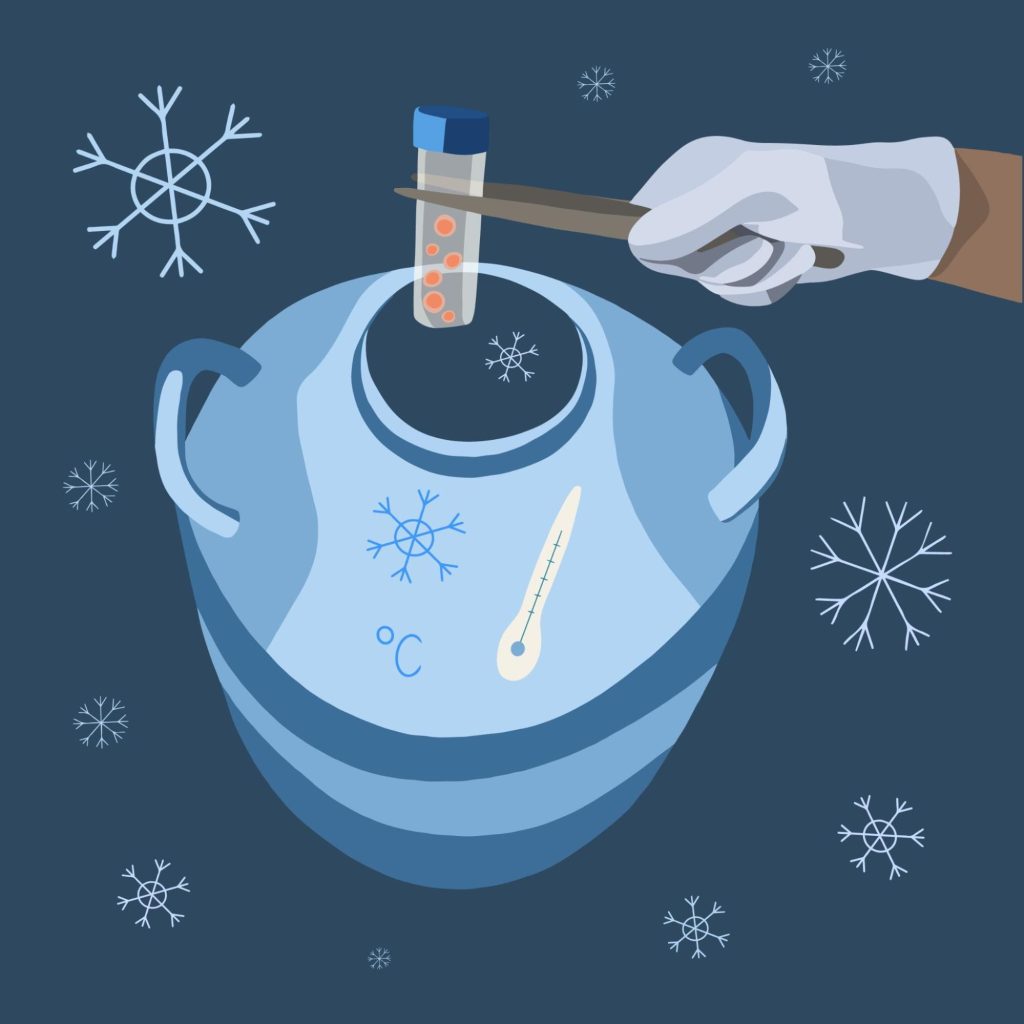
Egg freezing may be worth it for some people, but the decision depends on age, ovarian reserve, future family plans, health, cost and personal priorities. It can preserve eggs for possible future use, but it does not guarantee pregnancy or a future baby.
Success is usually higher when eggs are frozen at a younger age because egg quality tends to decline over time. This does not mean everyone should freeze their eggs, or that there is one right time for every person. The choice can feel emotional and practical at the same time, especially when it involves health, relationships, finances and future plans.
If you are wondering, “is egg freezing worth it,” learning how egg freezing works can help you make a more informed decision.
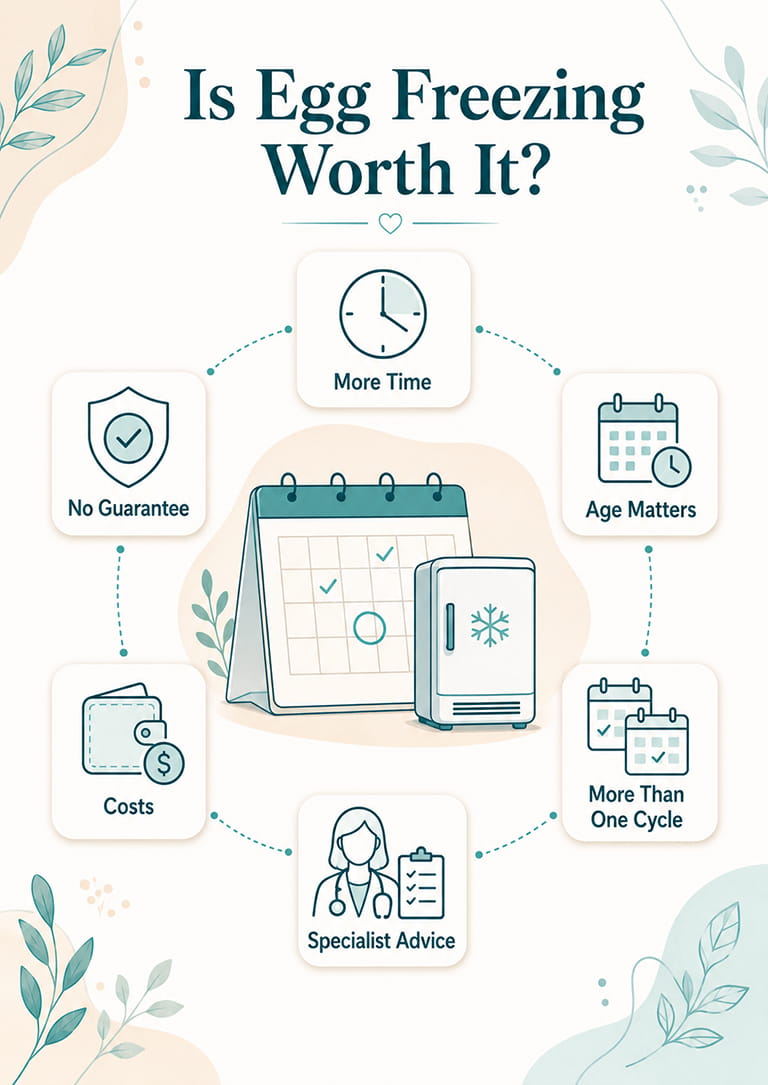
Is Egg Freezing Worth It?
- Egg freezing may be worth considering if you want more time before trying for pregnancy.
- It preserves eggs for possible future use, but it does not guarantee a future baby.
- Age at freezing matters because egg quality tends to decline over time.
- Costs may include consultation, testing, medication, egg retrieval, freezing and annual storage.
- Some people may need more than one cycle to freeze enough eggs for a reasonable future chance.
- A fertility specialist can estimate what egg freezing may mean for your age, ovarian reserve and goals.
Is Egg Freezing Suitable for Everyone?
Egg freezing is not equally useful for every person. It may be more helpful for people who are not ready to try for pregnancy now but want to preserve more options for the future. For example, someone may be thinking about family planning but not feel ready because of health, relationship, career, education or personal timing.
It may be less useful if ovarian reserve is already very low or if a person expects to try for pregnancy soon. Ovarian reserve refers to an estimate of how many eggs may be available in the ovaries, although it does not predict everything about fertility.
Some people value egg freezing because it gives them peace of mind, even if they never use the eggs. Others may decide that the cost, medication, procedures and uncertain outcome are not right for them.
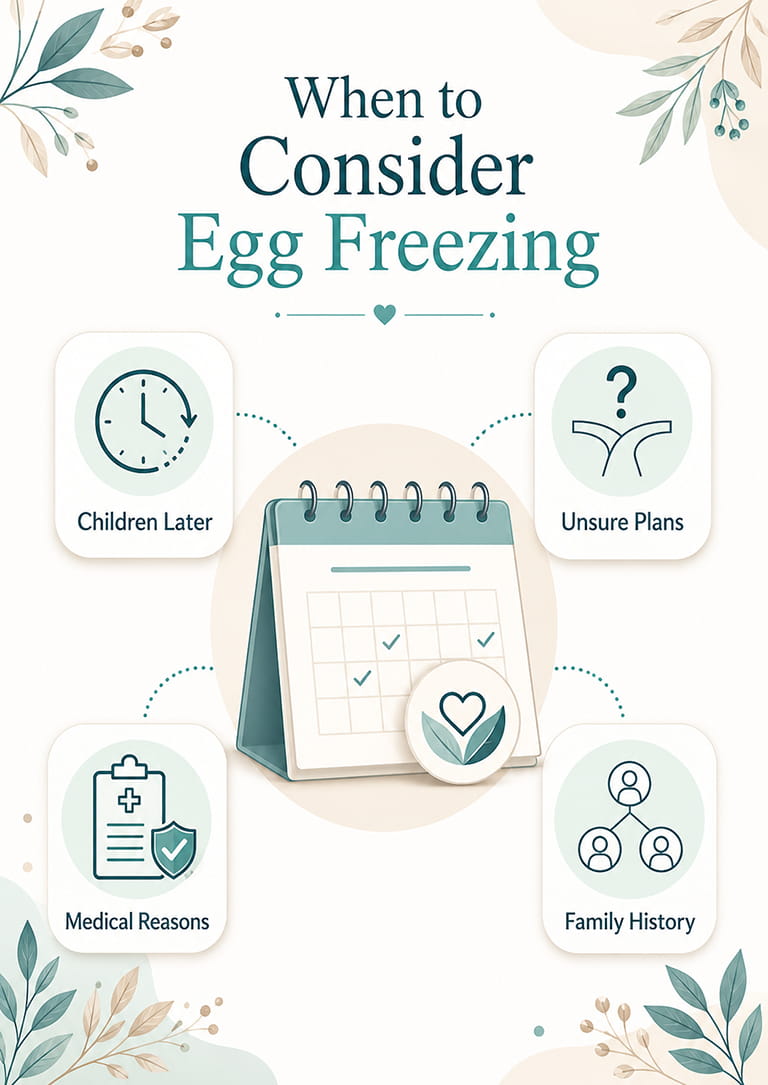
When Should You Consider Freezing Your Eggs?
You Want Children Later, But Not Right Now
Egg freezing may be worth considering if you know you may want children later but are not ready to try for pregnancy now. This can relate to career, education, finances, relationships or personal timing. Egg freezing does not stop natural fertility from declining, but it may preserve eggs at the age they were frozen.
You Are Not Sure About Future Family Plans
Some people are not ready to decide whether or when they want children. Egg freezing may offer more time to think without feeling rushed. It should still be considered alongside cost, health, treatment demands and personal values, rather than as an automatic choice.
You Have a Medical Reason to Preserve Fertility
Some medical treatments or conditions may affect ovarian function. These may include cancer treatment, certain surgeries, endometriosis or conditions that may reduce ovarian reserve. In these situations, it is important to discuss fertility preservation promptly with a specialist, often through a first fertility consultation.
You Have a Family History of Early Menopause or Low Ovarian Reserve
A family history of early menopause or low ovarian reserve may be a reason to check fertility markers earlier. Testing does not predict everything about future fertility, but it can help guide timing and support a more informed decision.
What Age Is Best for Egg Freezing?
Age plays a role in egg freezing because both egg number and egg quality tend to decline over time. Egg quality is especially important because it can affect whether an egg fertilizes, develops into an embryo and has the potential to lead to pregnancy later.
Egg freezing is often discussed before the mid-30s because younger eggs generally have better potential. However, this does not mean there is one fixed age that is best for everyone. Freezing eggs later may still be possible, but some people may need more eggs or more than one cycle to improve their future options.
The best timing depends on ovarian reserve, overall health, personal plans and whether someone may try for pregnancy soon. A fertility specialist can review test results and explain how age may affect treatment planning, including the ideal age for IVF and success rates.
What Does Egg Freezing Cost?
Egg freezing costs can vary by country, clinic, medication needs and the number of cycles required. The total cost is not always limited to the first treatment cycle, so it is important to understand what is included before starting. At Lifespan Birth, the cost of egg freezing is affordable and safe.
Common cost categories may include the initial consultation, blood tests, ultrasound, hormone medication, monitoring appointments, egg retrieval, laboratory freezing and annual storage. If the eggs are used in the future, there may also be separate costs for thawing, fertilization and embryo transfer.
Advertised package prices may not include every step, especially storage fees or future treatment costs. This is why patients should ask for a written cost breakdown that explains what is included now, what may be charged later and what could change if more than one cycle is needed. Understanding the true difference between costs and prices in IVF and ICSI packages can also help patients compare fertility treatment fees more clearly.
Making the Decision With Clear Expectations
Egg freezing is a personal decision, not something everyone must do. For some people, it may offer more future options. For others, the cost, timing, treatment process or uncertainty may not feel right.
The decision is usually clearest when it is based on age, fertility test results, expected costs, personal timing and values. A consultation and individualized fertility review can help explain what egg freezing may realistically mean for your situation.
Lifespan Birth can support patients with clear information and calm guidance, so the next step feels informed rather than rushed.