


When you’re trying to conceive, it’s natural to focus on medical treatments, test results, and timing, but sometimes, the everyday choices you make can have just as much impact. Fertility is influenced by many things, and while some factors are beyond your control, others are surprisingly simple and within reach.
This article explores our views on five lifestyle habits that may help improve fertility for both men and women. These aren’t extreme fixes or complicated routines, they’re just small, evidence-based adjustments that can support your body’s natural reproductive processes. Whether you’re early in your journey or already exploring treatment options, understanding how your lifestyle fits into the bigger picture is a valuable step forward.
What a Fertility-Friendly Diet Looks Like
What you eat can play a key role in hormone balance, egg and sperm health, and overall reproductive function. A fertility-supportive diet tends to focus on whole, unprocessed foods, which can include healthy foods like leafy greens, berries, whole grains, nuts, seeds, oily fish, and lean proteins like chicken, eggs, or tofu.
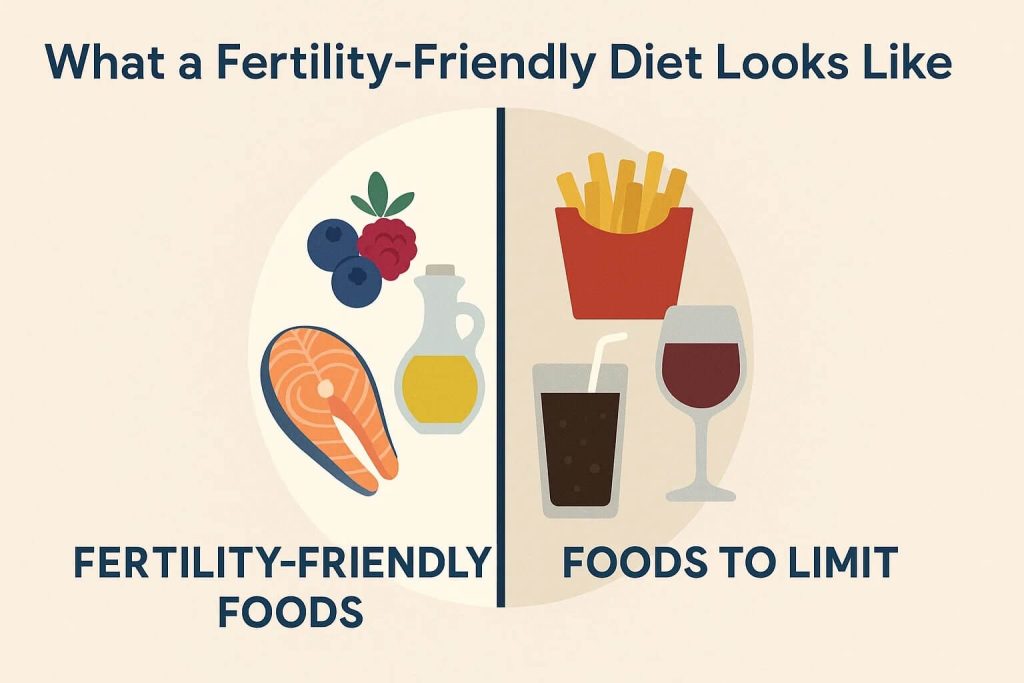
Many experts recommend a Mediterranean-style eating pattern, which includes plenty of plant-based foods, healthy fats like olive oil, and minimal processed sugar. This type of diet has been associated with better outcomes in some fertility studies and can also help manage conditions like PCOS that affect ovulation.

Foods to Limit
Some common foods and substances may negatively impact fertility, especially when consumed in excess. These include:
- Refined sugars and sugary drinks, which can contribute to insulin resistance
- Trans fats found in fast food and packaged snacks
- Excess caffeine (more than 1–2 cups of coffee a day)
- Alcohol, which may reduce conception rates and sperm quality
Benefits of Moderate Movement and Exercise
Staying active can be a powerful way to support fertility. Regular moderate exercise helps regulate hormones, maintain a healthy weight, and improve blood flow to reproductive organs. Activities like brisk walking, swimming, yoga, or cycling a few times a week can also reduce inflammation, which is thought to play a role in some fertility challenges.
Exercise may be especially helpful for people with conditions like PCOS, where improved insulin sensitivity from movement can help restore more regular ovulation. The key is consistency and choosing activities that feel good for your body and stress levels.
When Too Much Exercise Can Backfire
While movement is important, overtraining can have the opposite effect. Very intense exercise, especially when combined with low body fat or calorie restriction, may disrupt the menstrual cycle or stop ovulation altogether.
Signs you may be doing too much include missed periods, constant fatigue, or feeling overly sore and depleted. If in doubt, shift toward gentler routines and focus on energy balance, rather than extreme workouts.
Stress and Emotional Well-Being
Fertility challenges can be emotionally draining and chronic stress may also affect your body’s reproductive hormones. Elevated cortisol (the stress hormone) can interfere with ovulation and lower sperm quality, creating a feedback loop that makes trying to conceive even more difficult.
While stress itself doesn’t directly cause infertility, it can influence how consistently you follow treatment plans, how your body responds to medication, and how supported you feel throughout the process. Emotional well-being matters, not just for conception but for the overall experience.
4 Simple Ways to Support Mental Health for Fertility
You don’t need a major lifestyle overhaul to manage stress more effectively. Small, consistent steps can help restore calm and clarity:
- Try mindfulness techniques like meditation or deep breathing
- Journal your thoughts to process emotions and release tension
- Seek out therapy or fertility support groups if you’re feeling isolated
- Set aside time each week to do something non-fertility-related, whether that’s a walk, hobby, or date night

Importance of Sleep and Hormone Regulation
Getting enough sleep plays a direct role in your reproductive health. During sleep, your body regulates hormones like melatonin, cortisol, and insulin, all of which influence fertility. Disrupted sleep patterns may affect ovulation in women and lower testosterone levels and sperm quality in men.
Some research has shown that women who sleep fewer than 6 hours per night may have lower chances of conception compared to those getting 7–8 hours. Quality rest gives your body time to repair, balance hormones, and stay in sync with its natural rhythms.
4 Tips for Better Sleep Hygiene for Fertility
Improving your sleep doesn’t have to be complicated. Try starting with:
- A consistent bedtime and wake-up time, even on weekends
- Limiting screen time for at least an hour before bed
- Keeping your room cool, dark, and quiet
- Avoiding stimulants like caffeine or heavy meals late in the evening
Building Healthy Habits That Support Fertility
Taking care of your fertility doesn’t always mean turning to advanced treatments right away. Sometimes, it starts with your daily habits, such as how you move, eat, rest, and reduce stress or toxins in your environment. These lifestyle factors may not guarantee immediate results, but they can create a more supportive foundation for conception, whether naturally or alongside treatment.
No one gets everything perfect, and you don’t have to make every change at once. The goal is progress, not pressure. At Lifespan Birth, we often guide patients through these everyday adjustments as part of a personalized, holistic approach to reproductive care. Whether you’re just beginning your journey or preparing for IVF, these small shifts can make a meaningful difference.
If you’re feeling unsure about where to start, choose one area that feels manageable and build from there.