


If you’re thinking about starting or growing your family through IVF, the idea of traveling abroad for treatment might feel exciting and a little overwhelming. Thailand has become a leading destination for fertility care, offering high-quality treatment, lower costs compared to many Western countries, and a supportive environment for international patients. But navigating care in another country means having to plan ahead and understand how the process works in a new setting.
We have helped many couples prepare for this journey and here we will share our experience with you. Whether you’re exploring your options or already considering a clinic, we’ll walk you through the key things to know before beginning IVF or other fertility treatments in Thailand, from legal requirements and treatment timelines to clinic selection, travel tips, and what to expect during your stay.
Why Is Thailand a Popular Destination for IVF?
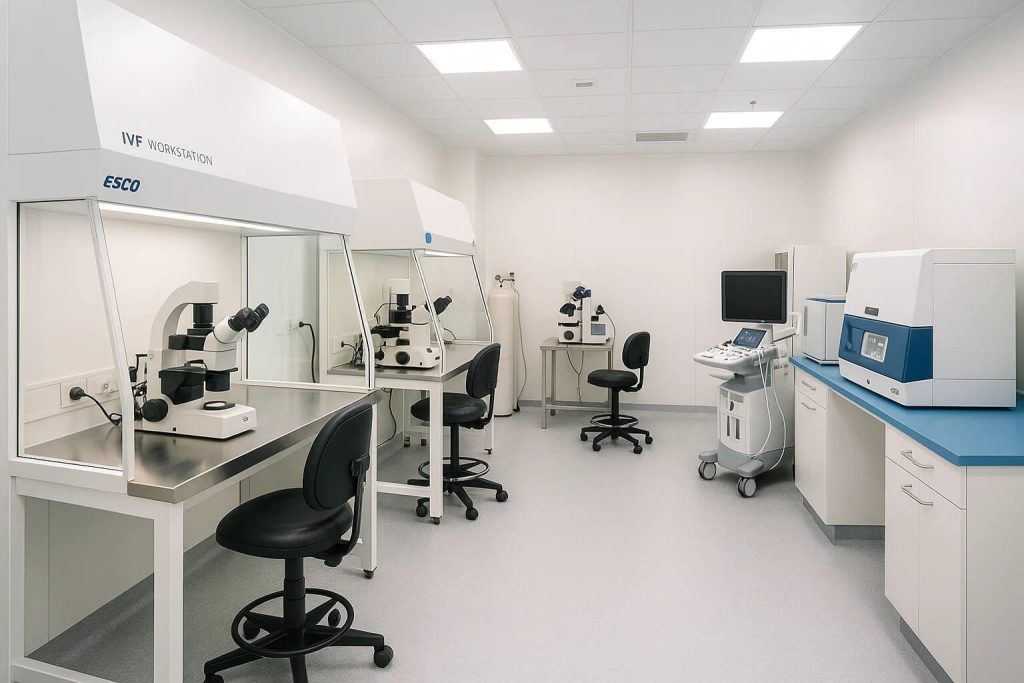
Thailand has earned its reputation as a top destination for fertility care by combining world-class medical standards with affordability. Many clinics in cities like Bangkok and Chiang Mai are accredited, staffed by internationally trained doctors, and equipped with the same technologies used in top Western clinics, including advanced labs for ICSI, PGT, and embryo freezing.
Yet, costs can be significantly lower. A single IVF cycle in Thailand might cost two to three times less than in the UK or the US, depending on the clinic and package. These lower costs don’t mean lower quality. They simply reflect differences in healthcare systems, operational expenses, and currency exchange rates.
Another reason patients travel to Thailand is the quality of the experience. Fertility clinics here tend to offer a more personalized and less rushed approach than large, high-volume centers. English-speaking coordinators often support you from the first online consultation to post-treatment follow-up, helping reduce stress and confusion.
You’ll also find a welcoming atmosphere. Many patients describe feeling more at ease in Thailand thanks to the country’s culture of hospitality and respect. This can make a big difference during a process that’s as emotional as it is medical.
Understanding the Legal and Ethical Landscape
Who Can Access IVF in Thailand?
Before booking treatment, it’s essential to understand who is legally eligible for IVF in Thailand. IVF is only permitted for married couples. Most clinics will request proof of marriage, typically a certificate translated into Thai and certified by your embassy.
Single women couples may not be eligible for standard IVF services under Thai law, though some clinics offer other fertility services or may refer patients to destinations with more inclusive options. Always check directly with your chosen clinic to confirm what’s possible in your situation.
What Is and Isn’t Allowed
Thailand offers a broad range of fertility treatments, including ICSI, embryo freezing, and preimplantation genetic testing (PGT). However, egg and sperm donation is tightly regulated, and commercial surrogacy is currently prohibited. These restrictions help protect all parties but may limit certain treatment paths.
Choosing the Right Clinic
Selecting a fertility clinic in Thailand involves more than comparing costs. Look for clinics with international accreditation, experienced doctors, and strong reputations for working with overseas patients. Clinics like Lifespan Birth are known for offering detailed pre-treatment consultations, personalized care plans, and modern facilities that meet global standards.
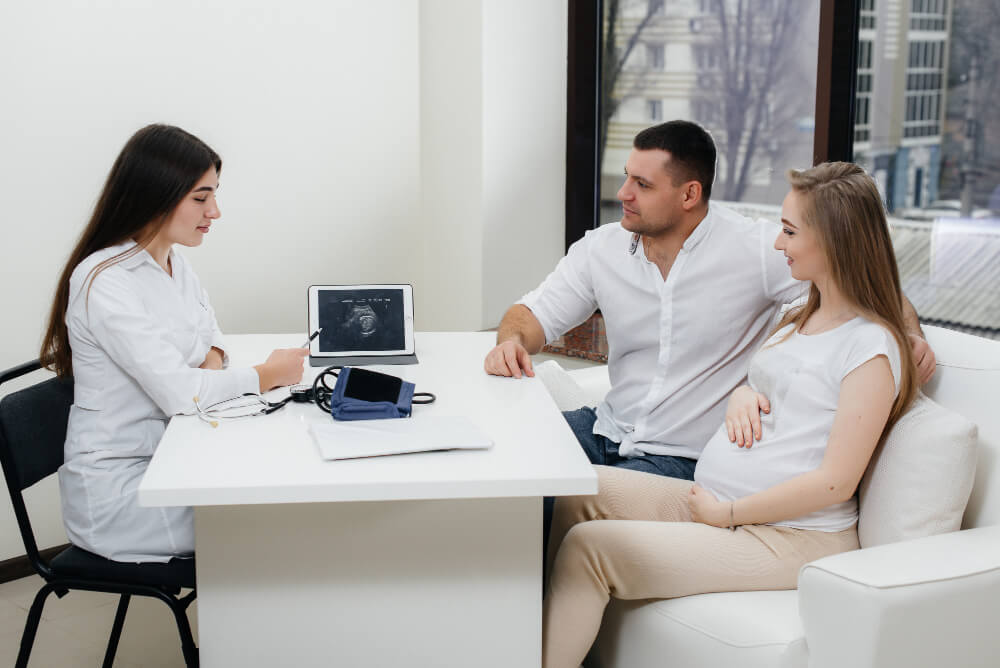
Also consider the clinic’s areas of expertise. Some are better equipped for cases involving male factor infertility, recurrent IVF failure, or advanced maternal age. If you have a specific diagnosis or concern, it’s worth asking whether the clinic has handled similar cases before, and with what outcomes.
Planning Your Timeline and Travel
How Long Will You Need to Stay for IVF Treatment?
Most IVF treatment cycles in Thailand require at least 2 to 3 weeks on the ground, depending on your specific plan. Here’s a general breakdown:
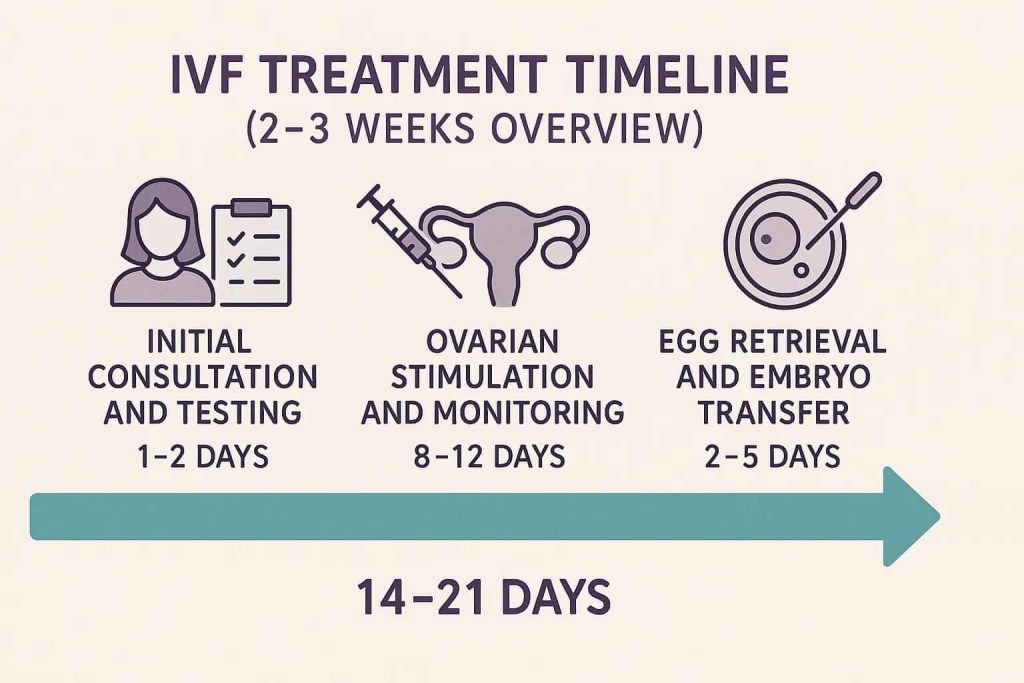
Some clinics offer remote consultations and pre-treatment planning, which can reduce the time needed in Thailand. If you’re doing a frozen embryo transfer (FET) instead of a fresh cycle, the timeline is often shorter.
Travel and Accommodation Tips
Bangkok is the most popular hub for fertility treatment. When choosing where to stay, opt for accommodation close to your clinic.

Here are a few extra travel pointers:
- Travel insurance: Look for coverage that includes medical support abroad.
- Medication transport: Ask the clinic for advice if you need to bring meds home.
- Rest days: Build in a few extra days post-transfer to relax before flying.
Preparing for Treatment
Get Your Tests Done in Advance
Before arriving in Thailand, you may consider completing initial fertility tests in your home country. This can save time and help the clinic plan your treatment more precisely. Basic tests often include:
- Hormone panels (FSH, LH, AMH, etc.)
- Pelvic ultrasound for ovarian reserve
- Semen analysis for male partners
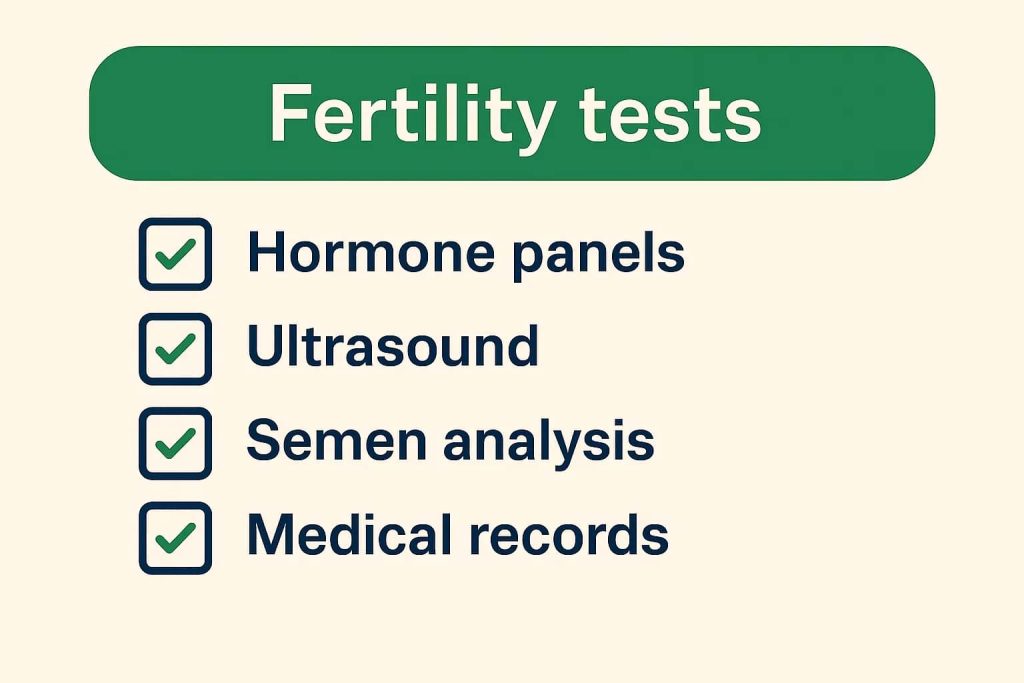
Bring all results in English (or have them translated) and include any previous treatment history or diagnoses if available. Some clinics, like ours, can review your documents in advance and tailor your plan accordingly.
Preparing Emotionally and Physically
The lead-up to IVF can bring a mix of hope and anxiety. A few simple steps can support your well-being before and during your trip:
- Eat well and rest: A balanced diet, light exercise, and plenty of sleep can help prepare your body.
- Avoid smoking, alcohol, and unnecessary stressors: These may impact hormone levels and fertility outcomes.
- Talk to your partner or support network: Emotional preparation is just as important; you may consider counseling if you’re feeling overwhelmed.
Starting your journey with realistic expectations and a supportive mindset can make a meaningful difference, both emotionally and physically.
What to Expect During IVF in Thailand
A Step-by-Step Overview
Understanding the IVF process in advance can make the experience feel more manageable. While each clinic may vary slightly, most follow a structure like this:
- Initial consultation – In person or online, to review your medical history and plan your cycle.
- Ovarian stimulation – Daily hormone injections over 8–12 days, with regular ultrasounds to monitor progress.
- Egg retrieval – A minor outpatient procedure under sedation, typically lasting 15–30 minutes.
- Fertilization (ICSI or standard IVF) – Eggs are combined with sperm in the lab.
- Embryo transfer – Usually 3–5 days after retrieval; often a quick, painless procedure.
- Two-week wait – This is the period after the transfer while waiting for a pregnancy test result.
Navigating a New Culture with Confidence
Thailand’s medical professionals are known for being warm, respectful, and discreet. English is widely spoken in most fertility clinics, especially those serving international patients. Still, it helps to:
- Be polite and patient. A calm, respectful tone is valued
- Confirm appointments and medication instructions clearly
- Ask for written summaries or treatment plans when possible
Even small cultural adjustments can make your experience smoother and more comfortable during such an important time.
Starting Your Journey with Confidence
Traveling to another country for fertility treatment is a big step, but with the right information, it can be a hopeful and empowering one. From understanding who’s eligible for IVF and what’s legally allowed, to choosing a clinic, planning your timeline, and preparing both emotionally and physically, every detail plays a role in your experience and outcome.
Clinics like Lifespan Birth specialize in guiding international patients through this process with clarity, compassion, and medical excellence. Whether you’re just beginning to explore your options or ready to take the next step, being informed will help you make decisions that feel right for you.