


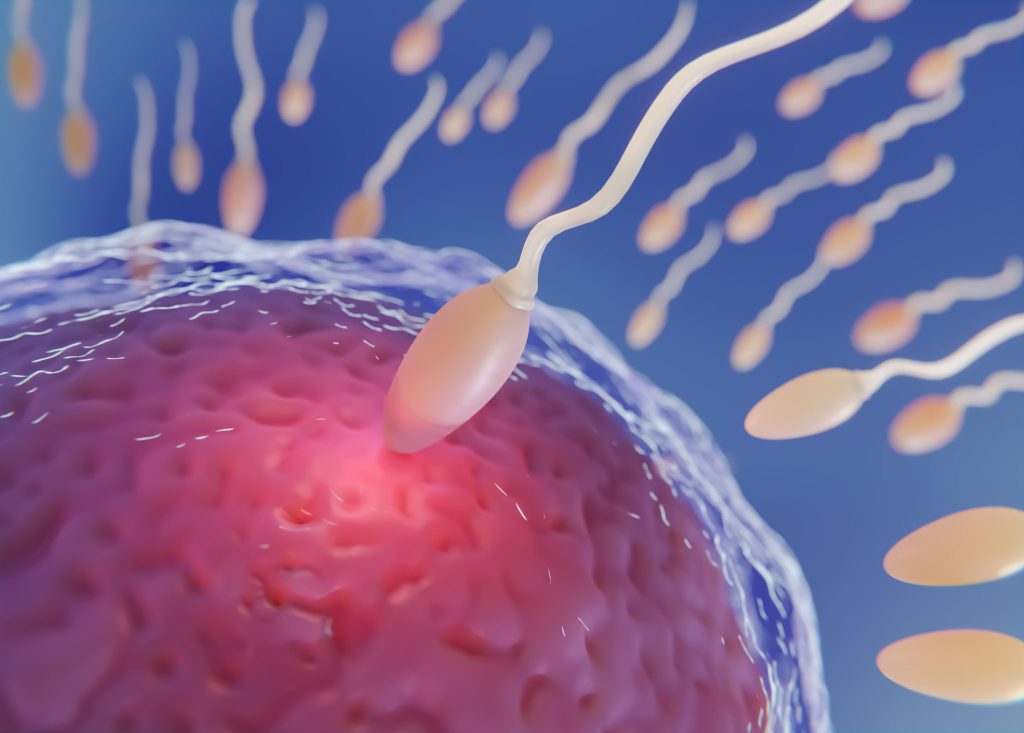
Infertility can be a challenging road for many couples, and when male factor infertility is involved, it may seem especially stressful. Male infertility is a prominent source of reproductive problems, impacting between 20% to 70% of all infertility cases globally. However, because of scientific developments, techniques like Intracytoplasmic Sperm Injection (ICSI) have revolutionized the landscape of fertility treatments, bringing fresh hope for couples attempting to conceive.
What is ICSI in Relation to Male Infertility?
ICSI is a specific method within in vitro fertilization (IVF) that involves injecting a single sperm directly into an egg to promote fertilization. Unlike conventional IVF, when eggs are combined with sperm in a laboratory dish and fertilization occurs naturally, ICSI assures that even sperm with restricted motility or abnormal shape may still accomplish fertilization.
This procedure was created in the early 1990s as a remedy for severe male infertility and has subsequently become a regular practice in assisted reproductive technology. By circumventing many of the natural obstacles to fertilization, ICSI enables men with particularly low sperm counts or poor sperm quality to father biological children.
Who Can Benefit from ICSI?
ICSI is particularly beneficial for men with:
Low sperm count (oligospermia) – When sperm concentration in semen is below the usual threshold.
Poor sperm motility (asthenozoospermia) – When sperm are unable to swim adequately, limiting the odds of reaching and fertilizing the egg.
Abnormal sperm morphology (teratozoospermia) – When sperm have an irregular form, which might limit their ability to access the egg.
Obstructive azoospermia – When sperm production is normal, but an obstruction prevents them from being present in semen (frequently due to vasectomy, congenital disorders, or infections).
Non-obstructive azoospermia – When sperm production is particularly low but not totally nonexistent. In such instances, sperm may sometimes be recovered straight from the testes.
Prior IVF failure – If past IVF treatments have resulted in poor fertilization, ICSI may give a greater chance of success.

ICSI Success Rates and Effectiveness
ICSI has demonstrated extraordinary effectiveness in helping couples conceive when male infertility is a concern. Studies show that ICSI may reach fertilization rates of 70-80%, equivalent to those reported in couples with normal sperm parameters undergoing traditional IVF.
Furthermore, when ICSI is conducted with IVF, live birth rates are equivalent to those reported with traditional IVF in situations of normal sperm function. However, for severe male infertility situations, ICSI considerably enhances the odds of delivering a viable pregnancy.
Risks and Considerations of ICSI
As with any medical treatment, ICSI involves some risks and considerations:
Potential for Egg Damage: Because the sperm is injected directly into the egg, there is a small chance of injuring the egg during the treatment, leading to fertilization failure.
Increased Risk of Genetic Conditions: Using ICSI may slightly raise the likelihood of certain genetic or chromosomal abnormalities, particularly if the father has a known genetic disease.
Birth Defects: While the overall risk remains minimal, there is a slightly greater prevalence of birth problems in infants born using ICSI compared to spontaneous conception.
ICSI Beyond Male Factor Infertility
While ICSI was primarily created to treat severe male infertility, it is now frequently used in instances where no male factor concerns are present. However, other data shows that in the absence of male infertility, ICSI does not substantially enhance success rates compared to standard IVF. In such circumstances, conventional IVF may be a more acceptable alternative, minimizing unneeded treatments and related expenditures.
The Emotional and Psychological Impact
Infertility may be emotionally difficult for couples, and male factor infertility has its unique set of psychological issues. Feelings of guilt, inadequacy, and worry are typical among males diagnosed with reproductive concerns. At Lifespan Birth, we believe that emotional well-being is equally as essential as physical health in the reproductive process.

We promote open talks, support groups, and therapy to assist couples to negotiate the emotional elements of infertility and treatment. Mental health assistance may be a significant part in keeping a positive outlook during the IVF and ICSI treatment.
A Personalized Approach to Parenthood
ICSI has opened the road for countless couples experiencing male infertility to enjoy the pleasure of parenting. While it is not the perfect decision for every instance, it remains a vital alternative for individuals coping with serious sperm-related difficulties. As with any fertility treatment, a tailored strategy is crucial to optimize success.
We provide innovative reproductive treatments, including ICSI, customized to the particular requirements of our patients. Our dedication to cutting-edge technology, tailored treatment plans, and compassionate care ensures that every couple gets the best possible assistance on their fertility journey.
To learn more about ICSI and how it might help overcome male factor infertility, visit our ICSI service page.