


If you’re trying to conceive, naturally or through fertility treatment, you’ve probably come across the term “egg quality.” But what does that really mean? And can taking supplements like CoQ10 or DHEA actually improve it?
With so much advice online, it’s easy to feel overwhelmed. Some sources claim certain vitamins are game-changers, while others dismiss supplements entirely. In this article, we’ll break down the science behind egg health, explain what affects it, and explore which supplements show real promise, so you can make informed, confident choices about your fertility.
Can Supplements Really Help Egg Quality?
Supplements often promise noticeable improvements in egg health, but what does the science actually say?
Coenzyme Q10 (CoQ10)
TWhat it does: CoQ10 acts as an antioxidant and supports energy production in egg mitochondria.
Human studies: Pre-treatment with CoQ10 led to better ovarian response and embryo quality in women undergoing IVF, especially those under 35 with low ovarian reserve.
Lab findings: Animal studies show that CoQ10 can restore mitochondrial function in aging eggs.
Takeaway: Promising, with some human data, but more large studies are needed.
DHEA (Dehydroepiandrosterone)
- Purpose: DHEA is a hormone precursor that may support ovarian function in women with low egg reserve.
- Evidence: Use of DHEA in poor ovarian responders showed higher pregnancy rates and fewer miscarriages, although the number of eggs retrieved didn’t change.
- Who it helps: Appears to benefit women under 38 with moderate egg reserve; results are mixed for those over 40 .
Takeaway: Can be helpful in specific cases, but must be used under medical supervision.
Omega‑3 Fatty Acids & Vitamin D
Omega‑3s: Known for anti-inflammatory effects. Some studies link them to improved embryo and pregnancy rates, but evidence isn’t strong.
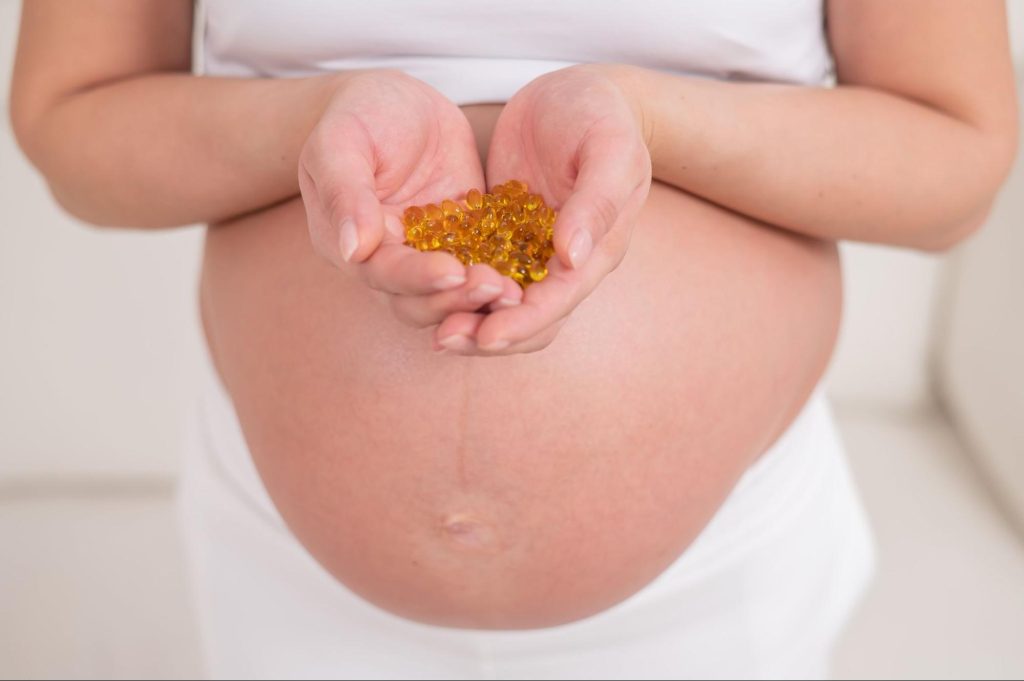
- Vitamin D: May improve uterine lining health and overall fertility. Effects on egg quality are less clear.
Takeaway: Safe and potentially beneficial, but best used alongside a healthy diet.
Supplement | Potential Benefit | Evidence Level |
|---|---|---|
| CoQ10 | Better egg energy; improved embryo quality in some studies | Moderate human + strong animal |
| DHEA | Higher pregnancy rate; fewer miscarriages in low reserve cases | Moderate, use case-dependent |
| Omega‑3 / Vitamin D | Inflammation support; uterine lining; general fertility uplift | Mild, suggestive only |
What Is Egg Quality and Why It Matters
Egg Quality vs. Egg Quantity
When people talk about “trying to conceive,” they often focus on how many eggs you have left, but egg quality is just as important. Think of quantity like the number of pages in a book, and quality like how well those pages make a coherent story. High-quality eggs have:
- Correct chromosome numbers (reducing miscarriage risk)
- Healthy mitochondria (energy factories in the egg)
Genetic errors in eggs, known as aneuploidy, are a primary cause of miscarriage or failed implantation.
Mitochondria and Oxidative Stress
Eggs are rich in mitochondria, which supply the energy needed for cell division and early embryo development. As women age, mitochondrial DNA decreases and the structures themselves may become less efficient.
At the same time, “oxidative stress”, which is a buildup of harmful molecules called reactive oxygen species, can damage egg cells. This stress disrupts key cellular processes during early development (rbej.biomedcentral.com).
Real-Life Examples and Clinical Insights
Animal studies show that antioxidant supplements (like CoQ10) improve mitochondrial function in eggs, leading to better embryo development. Human clinical trials have also seen improved ovarian response and embryo quality with CoQ10 supplementation.
Lifestyle factors, such as smoking, excess sugar, poor sleep, or chronic stress, also raise oxidative stress, further affecting egg health.
Key Factors That Influence Egg Quality
Egg quality is shaped by a mix of your age, environment, and lifestyle, each playing a meaningful role in reproductive health.
The Role of Age
Your egg count naturally declines over time, but more importantly, so does egg quality. Mitochondria decrease in number and efficiency as you get older. This leads to a higher chance of chromosomal errors, known as aneuploidy, which are a major cause of implantation loss and miscarriage.
Oxidative Stress and Inflammation
Mitochondrial decline and CO2 exposure create harmful byproducts called reactive oxygen species. This imbalance, known as oxidative stress, can damage ovarian cells and eggs. Studies find high oxidative stress in follicular fluid linked to poorer egg quality and lower fertilization rates. Blocking or reducing these effects with antioxidants might help preserve egg health.
Lifestyle Matters Too
Everyday choices also influence egg quality:
- Smoking exposes your eggs to toxins that reduce health and raise oxidative stress
- Poor sleep, stress, excessive alcohol, and diets high in sugar or low in nutrients all add to inflammation
A Mediterranean-style diet, rich in healthy fats and plant foods, may support mitochondrial health and counter oxidative damage, though human studies are still underway

While supplements like CoQ10, DHEA, omega‑3, and vitamin D show potential, especially in certain groups, they are not miracle fixes. Focus first on core habits: nutritious food, good sleep, stress management, and medical care. If supplements feel right for your journey, it’s best to use them under guidance.
For expert guidance on fertility and personalized supplement support, visit Lifespan Birth to explore how we can help you optimize your reproductive health.