



After going through the physical and emotional effort of an IVF cycle, it’s only natural to wonder about what happens next? How long will it take to feel like yourself again? And what’s considered normal during recovery?
While every person’s body is different, most individuals experience a general pattern of recovery after egg retrieval and embryo transfer. This article offers our week-by-week guide to help you understand what to expect, from physical symptoms to emotional ups and downs, so you can take care of yourself during this important phase with more confidence and calm.
Whether you’re just starting IVF or already mid-cycle, knowing what to expect during recovery can help you feel more prepared, less anxious, and more in tune with your body.
Before Recovery Begins and The Egg Retrieval Procedure
The recovery process begins with egg retrieval, a minor outpatient procedure that takes place under light sedation. Using ultrasound guidance, your fertility specialist gently retrieves mature eggs from the ovaries using a thin needle. The procedure itself typically takes about 15–30 minutes and doesn’t involve any incisions.
Most patients go home within a few hours. While it’s not painful during the procedure, you’ll likely feel cramping and grogginess once the sedation wears off.
Immediate Recovery (0–24 Hours)
The first 24 hours are all about rest and hydration. You may experience:
- Mild abdominal bloating or soreness
- Light spotting
- Fatigue or sleepiness
Avoid driving, strenuous movement, or making big decisions until the sedation has fully worn off.
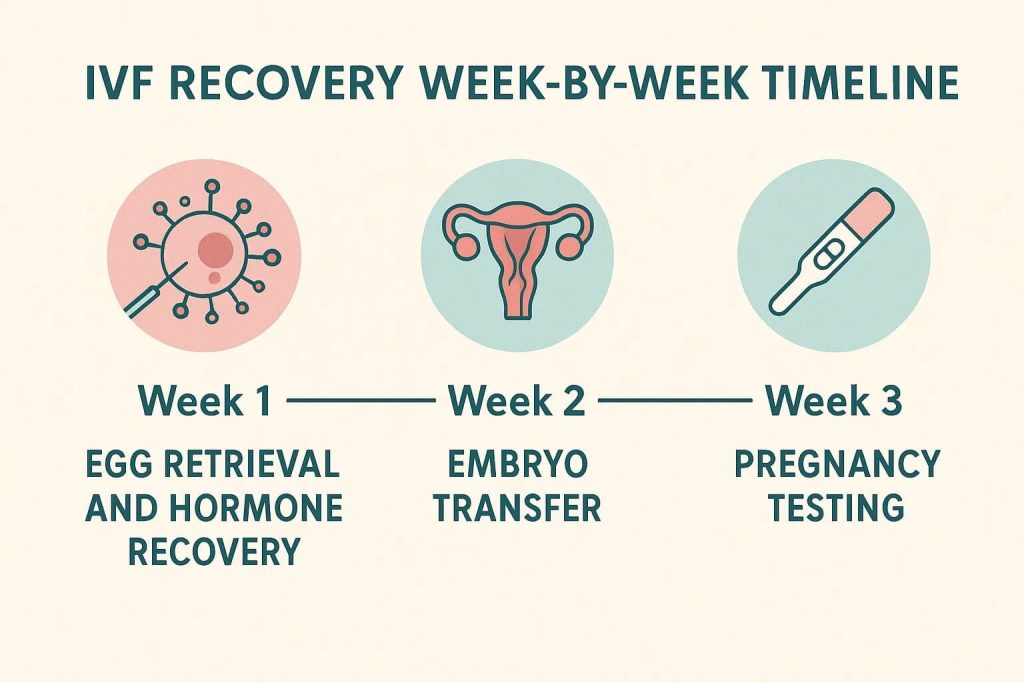
Week 1: Physical Recovery and Hormonal Fluctuations
During the first week after egg retrieval, your body is adjusting, both physically and hormonally. Common symptoms include:
- Mild to moderate abdominal discomfort or bloating
- Breast tenderness and mood changes from hormonal shifts
- Fatigue, especially in the first few days
These symptoms are usually manageable and typically improve as your hormone levels settle.

What to Watch Out For
While most side effects are mild, be aware of signs of Ovarian Hyperstimulation Syndrome (OHSS), which can sometimes develop after retrieval. Contact your clinic if you notice:
- Rapid weight gain
- Severe bloating or pain
- Shortness of breath or nausea
Most cases are mild, but it’s important to stay in touch with your care team if anything feels unusual.
Self-Care Tips
To support recovery during this week:
- Drink plenty of fluids (electrolyte drinks can help)
- Eat high-fiber, gentle meals to ease bloating
- Go for short walks to keep circulation moving
- Wear loose, comfortable clothing
Week 2: Embryo Transfer and the “Two-Week Wait”
Embryo transfer is typically quick and painless, with no sedation needed. Most clinics recommend resting the day of the transfer, but after that, light movement is usually fine. Avoid:
- Intense workouts
- Hot baths or saunas
- Heavy lifting
There’s no evidence that bed rest may improve outcomes, so gentle daily activity is encouraged unless advised otherwise.
What’s Happening in Your Body
This week is often the most emotionally intense. Here’s what may be going on:
- Implantation usually occurs 5 to 9 days after transfer
- Some people feel cramping or light spotting, and both can be normal
- Others feel nothing at all, which is also normal
Remember, symptoms (or the absence of them) don’t predict success.
Emotional Side of the Wait
The “two-week wait” between transfer and pregnancy test is often described as the hardest part of the IVF journey. It’s common to feel:
- Hopeful one moment, anxious the next
- Hyper-aware of every twinge
- Tempted to test early (try to wait if you can as false results are common)

Support yourself with simple practices: journal your thoughts, practice mindfulness, and try to limit time in IVF forums if it adds stress.
Week 3: Pregnancy Test Week
By the end of this week, it’s time for your beta hCG test, which is the blood test that confirms whether implantation has occurred. Most clinics schedule this 10–14 days after the embryo transfer.
While it might be tempting to take a home pregnancy test early, keep in mind:
- Medications used during IVF can affect test results
- Blood tests are more accurate and can detect earlier hormone levels
Coping with Uncertainty
This final stretch of the wait can bring a swirl of emotions, from excitement, anxiety, even guilt for feeling too hopeful or not hopeful enough.
Here are a few gentle reminders:
- Try not to overanalyze symptoms (they can be caused by hormones, not pregnancy)
- Avoid Googling too much, as everyone’s experience is different
- Lean on your support system or therapist if emotions feel heavy
What If You Get a Positive Result?
If your pregnancy test is positive, your clinic will usually schedule a follow-up blood test a few days later to confirm that hCG levels are rising appropriately. From there, expect:
- An early ultrasound around 6 to 7 weeks to check for a heartbeat
- Continued hormone support (such as progesterone) for several more weeks to support the pregnancy
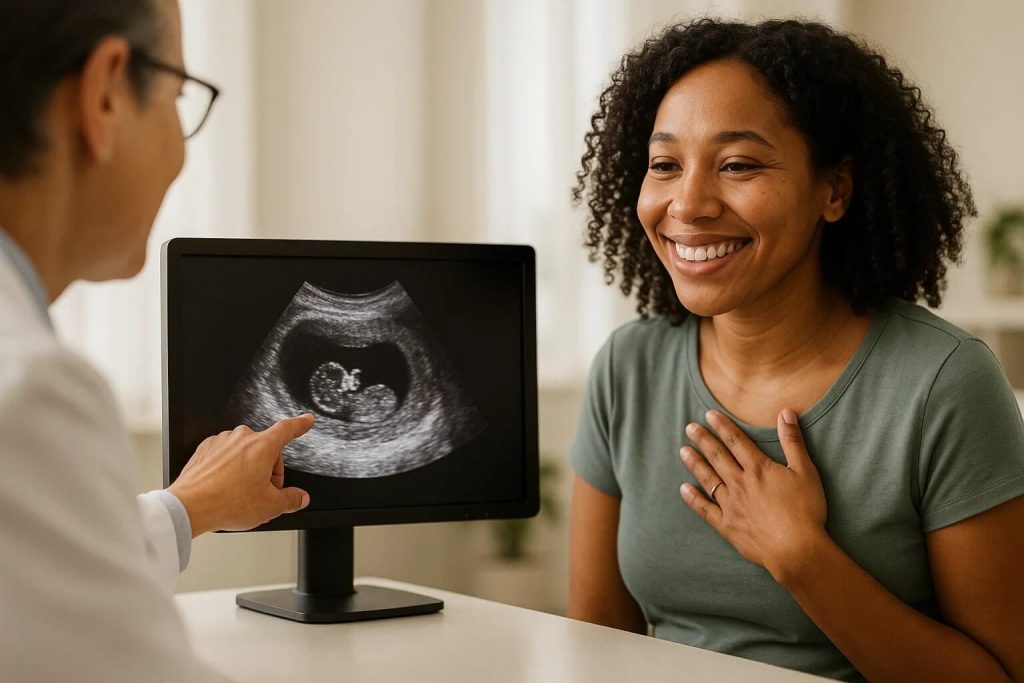
Even though you may feel cautious or unsure, a positive result is an important and hopeful milestone worth honoring.
Supporting Your Body and Mind
In the early weeks of pregnancy, especially after IVF, it’s normal to feel a mix of excitement and anxiety. Some helpful tips:
- Rest when you need to, as fatigue is common
- Stay hydrated and eat nourishing foods
- Communicate with your care team if you experience any spotting, cramping, or unusual symptoms
What If the Cycle Wasn’t Successful?
A negative result can feel devastating, especially after the physical and emotional investment IVF requires. There’s no right or wrong way to react, whether you need quiet time, support from loved ones, or simply space to feel.
Common emotional responses may include:
- Grief, anger, numbness, or disbelief
- Questioning what went wrong. This is normal, but not always answerable.
- Feeling overwhelmed by next steps
Physical Recovery and Planning Ahead
Physically, your period will likely return within 1–2 weeks after stopping progesterone. Some people may notice heavier bleeding or stronger cramps than usual, even though both are generally normal you may check with your doctor if symptoms feel concerning.
Before starting another cycle, your clinic may recommend:
- A rest month to allow your body and emotions time to recalibrate
- Reviewing test results to adjust your treatment plan
- Talking with your fertility team about next steps that align with your goals
We take care to support patients through every outcome.
Navigating IVF Recovery with Confidence
IVF recovery is both a physical and emotional journey marked by waiting, wondering, and hoping. Whether you’re healing from egg retrieval, managing symptoms after transfer, or preparing for a pregnancy test, understanding the week-by-week timeline can help you feel more grounded and supported.
At Lifespan Birth, we guide every patient with care that goes beyond the procedure itself. From managing side effects to offering emotional support, our team is here to ensure you feel informed and never alone. Whatever your outcome, your recovery deserves patience, self-compassion, and trust in your body’s ability to move forward.